Acne Scarring

Acne Scarring

Acne Scarring

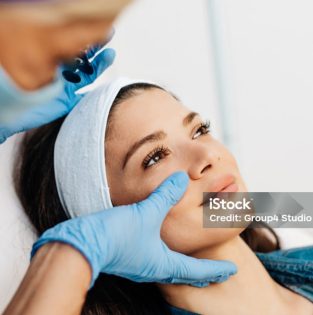
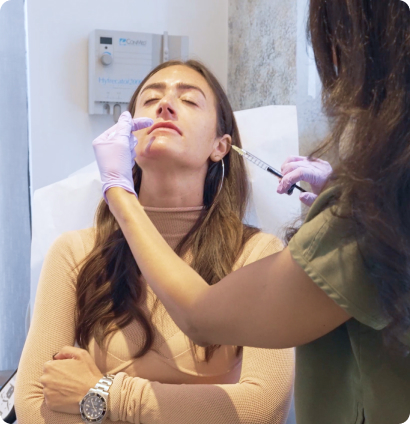
Acne scars are usually the result of inflamed blemishes caused by skin pores engorged with excess oil, dead skin cells and bacteria. The pore swells, causing a break in the follicle wall. Shallow lesions are usually minor and heal quickly. But if there is a deep break in the wall of the pore, infected material can spill out into surrounding tissue, creating deeper lesions. The skin attempts to repair these lesions by forming new collagen fibers. These repairs usually aren’t as smooth and flawless as the original skin. There are different types of acne scars. Ice pick scars are flat, pitted scars. Atrophic scars are thin and flat, and often appear depressed when compared to normal surrounding skin. Finally, hypertrophic or keloidal scars are typically firm and raised. Acne scars may be treated with microdermabrasion, soft tissue fillers, laser treatments, and chemical peels.
Acne Treatment

Acne Treatment

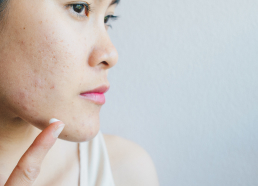
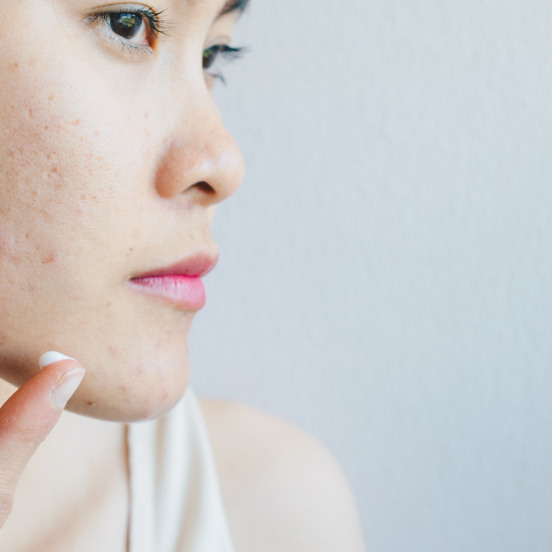
Acne is a skin condition that typically affects the face, but may also involve the chest and back. Acne may manifest itself as white heads, blackheads, and cysts. In many instances, when the acne lesion resolves, residual dark marks or pitted scars remain.

Acne affects patients of all ages. In teenagers, it is driven by the hormone testosterone, which increases during puberty and stimulates sebaceous glands of the skin to grow, make oil and plug pores. In adults, acne may be related to hormones, childbirth, menopause, or medications. Diet may also be linked to acne. There are studies that suggest that dairy products and high glycemic index foods (sodas, juices) may contribute to acne flares.

For mild acne, treatment typically starts with topical antibiotics, retinoids derived from Vitamin A, and benzoyl peroxide. Extraction or acne surgery may be performed to remove black and whiteheads. In the setting of moderate acne, antibiotic pills are often prescribed. In some women, hormonal treatments may be helpful. In patients with recalcitrant acne or if it is severe with scarring, oral isotretinoin may be utilized. After your acne is controlled, several cosmetic procedures may be used to improve residual acne scarring including chemical peels, microdermabrasion, and laser resurfacing.

Laser Genesis

Laser Genesis

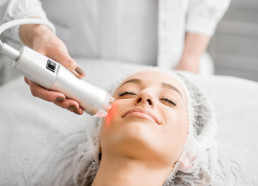
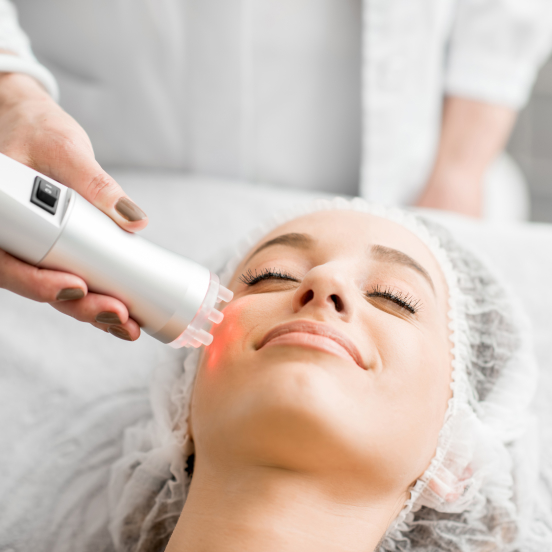
Laser genesis works by heating the dermis directly under the skin; this stimulates collagen production, which plumps the skin and reduces the appearance of fine lines and wrinkles. The heat from the laser can also constrict blood vessels, which helps fight redness and rosacea. It can also help treat acne and scarring.

Microneedling

Microneedling for Men

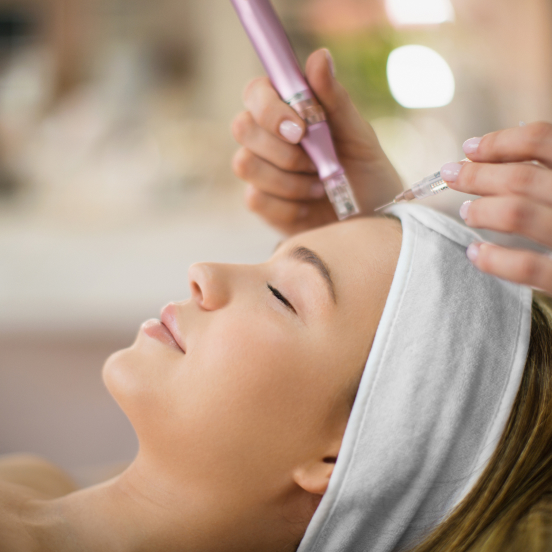
There’s no denying that cosmetic treatments are on the rise for men as a way to improve skin quality and combat the signs of aging.

While some male patients are entirely new to cosmetic procedures, others may have tried chemical peels or microdermabrasion, but are not ready for laser treatments.

Fortunately, microneedling is an excellent non-surgical option that can help men achieve smoother, clearer skin and natural results.

Here’s what men should know about the process, benefits, and experience of microneedling.

Platelet-Rich Plasma (PRP) for Hair Stimulation

Platelet-Rich Plasma (PRP) for Hair Stimulation

Platelet-Rich Plasma (PRP) therapy has demonstrated efficacy in promoting hair regrowth and maintenance. This minimally invasive procedure harnesses the body’s regenerative capabilities by introducing growth factors to the targeted area, typically yielding observable improvements. Furthermore, the treatment is characterized by its lack of downtime and absence of systemic side effects.
Platelet-Rich Plasma (PRP) for Skin Rejuvenation

Platelet-Rich Plasma (PRP) for Skin Rejuvenation

Platelet-rich plasma (PRP) treatments involve drawing a small amount of your blood, which is then spun in a centrifuge to separate the platelets. These platelets are rich in growth factors that are believed to promote skin rejuvenation. When combined with microneedling, which uses tiny needles to create controlled micro-injuries in the skin, the PRP is applied topically to the treated area. This process stimulates the skin’s natural healing response, triggering the production of new collagen and elastin.

As a result, the skin may appear smoother, brighter, and more youthful. Additionally, due to the regenerative properties of PRP, the downtime following the procedure is typically minimal, allowing a quicker return to regular activities. Combined with microneedling, this minimally invasive technique stimulates new collagen production, resulting in smoother, brighter, and tighter skin. Due to the healing properties of PRP, downtime is minimal.

Transform your skin at GlamDerm. Book today to start your skincare journey!

Book Online